Find the Root,
Find the healing.
Naturopathic care rooted in your body's own bioenergetic signaling — finding the blockages that keep your nervous and immune systems from doing their job.
The A.R.T.™ Info Center
Autonomic Response Testing, explained — from the nervous system it reads to the philosophy the model rests on. Choose a topic to explore it in depth.
What Is A.R.T.™?
A.R.T.™ is a comprehensive, holistic way of testing the body for the seven factors that cause the nervous system to become stressed and blocked — blockages that in turn drive inflammation, illness, and disease.
It differs from standard applied kinesiology: A.R.T.™ uses the light coherence and resonance of the body's tissues and organs, which provide biofeedback directly to the brain. Advanced muscle testing doesn't just assess and treat Lyme disease, autoimmune issues, and chronic conditions with nutritional, homeopathic, and herbal remedies — it can dose them accurately, so a patient receives the right solution at the right amount.
At its core, A.R.T.™ is a biofeedback-enhanced physical exam that uses changes in muscle tone as its primary indicator — a profound way of finding the root cause of symptoms and dis-ease, not just naming them. It has become internationally recognized for its results with autism, Lyme disease, and other chronic illness.
The Autonomic Nervous System
The Autonomic Nervous System (ANS) is the part of the nervous system you can't control with conscious thought — yet it regulates almost everything that keeps the body running.
A.R.T.™ reads this biofeedback system to see how an individual's ANS is responding to — or paralyzed by — what are known as the 7 Factors of Disease.
The 7 Factors of Disease
A.R.T.™ tests the body against seven categories of stress that block the nervous system. Identifying which are active — and how they interact — is the starting point for every protocol.
A.R.T.™ also detects and treats medication uptake problems — the most common cause of therapy-resistant chronic illness.
Hidden Blocks: Microbes, Metals & Uptake
Microbes and metals aren't spread evenly through the body — they establish protected domiciles in specific compartments, secured by a barrier that keeps immune cells out. A.R.T.™ is used in a specific way to locate where microbes and toxins are hiding, along with hidden uptake blocks, so those areas can be opened to absorb remedies and treatment can work as A.R.T.™ predicts.
— Omura, Y. 1997, Workshop Bi-Digital O-Ring Test
With A.R.T.™-based uptake enhancement, strong results are achievable using far smaller doses.
Why A.R.T.™ Works Differently
Many patients have exhausted conventional and alternative options, left with surgery or pharmaceutical drugs as the only remaining paths — approaches that can mask symptoms without resolving what's driving them. This is especially true for Lyme disease and inflammatory or autoimmune conditions. For some, pharmaceutical drugs are necessary — but for most chronic illness, there are viable alternatives.
A.R.T.™ looks at the body holistically, using its resonance within its surroundings to test for Lyme disease, viruses, parasites, neurological pollutants, geo-stressors, chemical toxicity, dental issues, hidden infections, and other contributors to known and unknown ill health.
It also balances the autonomic nervous system so the body can enter a state of healing, then brings in natural alternatives — herbal, nutritional, or homeopathic remedies — for long-term relief along the path to recovery.
Inside an A.R.T.™ Session
1–2 hour sessionsEvery session starts with a detailed history and medication list. From there, the body is scanned for issues and blockages — organ by organ, and at the brain, matrix, cellular, and intracellular level — using advanced muscle testing that goes beyond standard applied kinesiology.
The body is then brought into open regulation — a balanced state addressing the yin and yang of body and brain — putting it into resonance. From that open state, it can be tested for viruses, pathogens, allergens, metal toxicity, and other causes of illness, including energetic and emotional issues behind physical symptoms.
This same open state is used to test which nutritional, herbal, and homeopathic remedies suit the body and the issue at hand — and to dose them appropriately for healing.
The Philosophy Behind the Model
This model of healing was developed in the 1980s and has been taught to practitioners worldwide ever since — becoming part of the consensus reality of integrative care.
A few ideas sit underneath it: patients need care on all levels of their existence — recovery from chronic illness is possible, but it asks people to shift how they exist in the world on a deep level. Every deep conflict that's resolved is resolved for good; for every remedy there will be a better one tomorrow, but learning is forever.
The framework also holds that we exist in different dimensions simultaneously — the physical body sits inside a sphere of invisible etheric bodies, each with its own anatomy and physiology, in living interaction with one another. It evolved from interpreting the yoga sutras of Patanjali, believed to be over 10,000 years old, expressed in contemporary language.
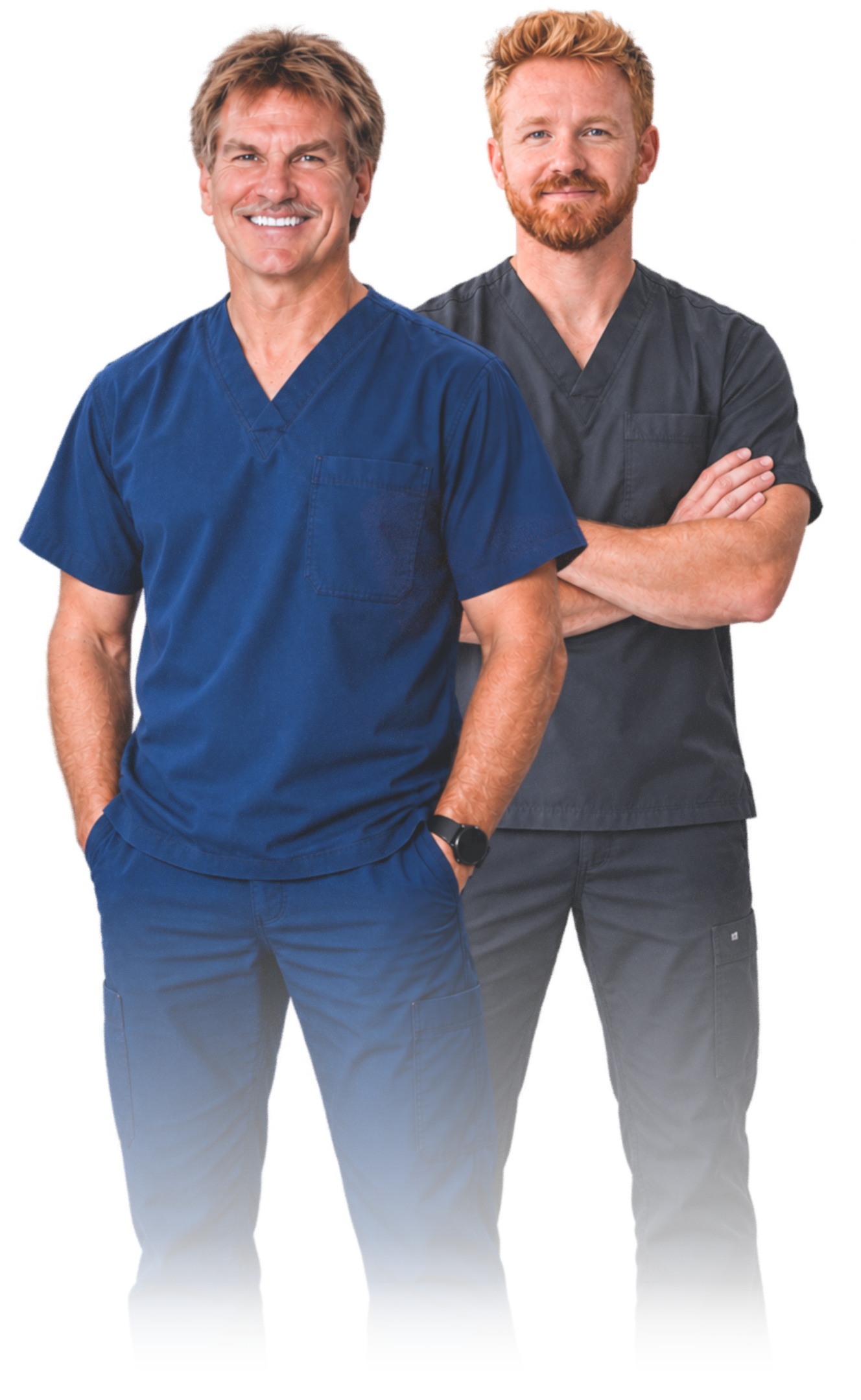
Meet the practitioners behind Direct Energy
Two clinicians, one integrated approach to root-cause, whole-body care.
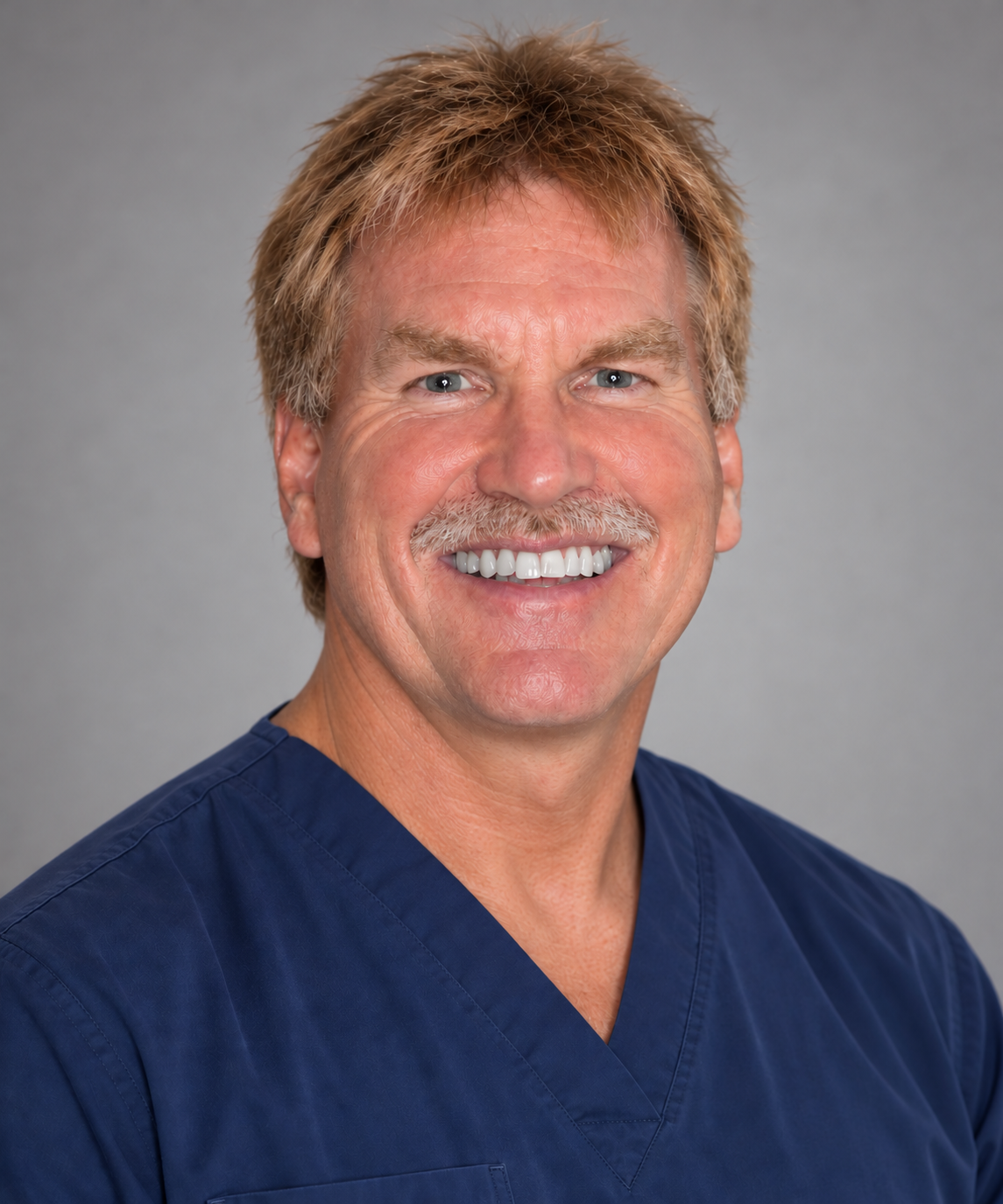
Todd Walters
Founder, DDS, NMD, IBDM[Add a 2–3 sentence bio: background, philosophy of care, what led them to this work.]
Payton Walters
Naturopathic Practitioner[Add a 2–3 sentence bio: background, philosophy of care, what led them to this work.]
Our Services & Modalities
Every modality we practice starts with the same commitment: understand what's actually driving your symptoms, then treat it precisely. Choose a service below to read the full picture.
NAET® Allergy Elimination
NAET (Nambudripad's Allergy Elimination Techniques) is a non-invasive, drug-free approach to allergies and sensitivities that combines acupuncture and acupressure points, chiropractic technique, applied kinesiology (muscle response testing), and nutritional science. It was developed in 1983 by Dr. Devi S. Nambudripad — a chiropractor, acupuncturist, and registered nurse — who discovered the technique while working through her own severe, lifelong allergies.
Each session starts with muscle response testing: you hold a vial containing a small sample of a suspected allergen while gentle pressure is applied to check for a weak response, which can indicate a sensitivity. Once an allergen is identified, you stay in contact with it while specific acupuncture or acupressure points along the spine and body are stimulated — the goal is to interrupt the nervous system's learned reaction, one allergen at a time. A typical session runs 30–60 minutes, and you'll be asked to avoid that allergen for about 24 hours afterward so the new response has time to settle in.
NAET has been used for reactions to common triggers — foods, pollen, dust, pet dander, and chemicals among them — as well as digestive complaints and skin reactions some patients connect to sensitivities. Basic nutrients are typically addressed first, with environmental allergens introduced later; mild-to-moderate sensitivities are often worked through over a series of visits rather than a single session. As with any allergy-related care, NAET is meant to complement — not replace — guidance from your licensed healthcare provider, especially for any allergy with a history of a severe reaction.
Ionic Detox Footbath
An ionic footbath is a warm-water foot soak that uses a low-voltage array placed in the water to run a small current through it, a process called electrolysis. It's offered as a gentle detox modality — a way to relax, warm tired feet, and support your body's own elimination pathways — rather than a stand-alone treatment for a specific condition.
During a session you'll sit comfortably with your feet submerged in warm, lightly salted water for 30 to 40 minutes on average while the array runs — a quiet stretch of time to relax before you're back on your feet.
Integrative Dental Care
Oral health doesn't stop at the teeth. The mouth is one of the most direct gateways between the outside world and the rest of the body, and inflammation there is closely tied to how the immune system functions everywhere else. That's part of why dentistry has a home here: our team includes Todd, a licensed dentist, working alongside naturopathic care rather than off in a separate silo — so dental health is treated as one more piece of the same root-cause picture, not an afterthought referred out to someone who's never seen your chart.
In practice, that means approaching the mouth the way biological, or holistic, dentistry does: paying attention to the materials used in it, not just the fillings and crowns themselves, favoring biocompatible options over mercury amalgam, and using careful, protective protocols on the rare occasion older amalgam work needs to come out. Root canals, cavitations, and old dental work get evaluated with an eye toward whether they could be a hidden, low-grade source of infection or inflammation — rather than assumed fine by default just because nothing hurts.
The connection to the rest of the body is well documented: research links gum disease and oral inflammation to diabetes, heart disease, and other chronic inflammatory conditions, and the bacteria and immune activity in your mouth interact constantly with your immune system as a whole. Folding dentistry into care here means that connection gets looked at directly, instead of your teeth and your health being treated as two separate stories.
Environmental Consultation
The environment you spend the most time in — your home, your workplace — either supports your body's ability to heal or adds to the load it's already carrying. A space that keeps the immune system on low-grade alert, day after day, makes it harder for the rest of your care to do its job; a space that doesn't makes healing easier. That's the idea behind this consultation: your surroundings aren't a footnote to your health, they're part of it.
We look at the variables that most commonly put stress on a home or office environment — indoor air quality (mold, dust, and volatile organic compounds among them), electromagnetic fields from wireless devices and electrical systems, water quality, the materials a space is built and furnished with, and lighting. A consultation typically starts with a walkthrough of the space in question, testing and observation across these areas, and a conversation about what's already been addressed and what hasn't been looked at yet.
You'll leave with a clear, prioritized picture of what's contributing the most and practical, realistic changes to start with — not a demand to overhaul your entire home at once. The goal is to lower the everyday stress load your environment places on your immune system, so the rest of the care you're receiving has more room to work.